Water Damage Restoration in Hanover, MN
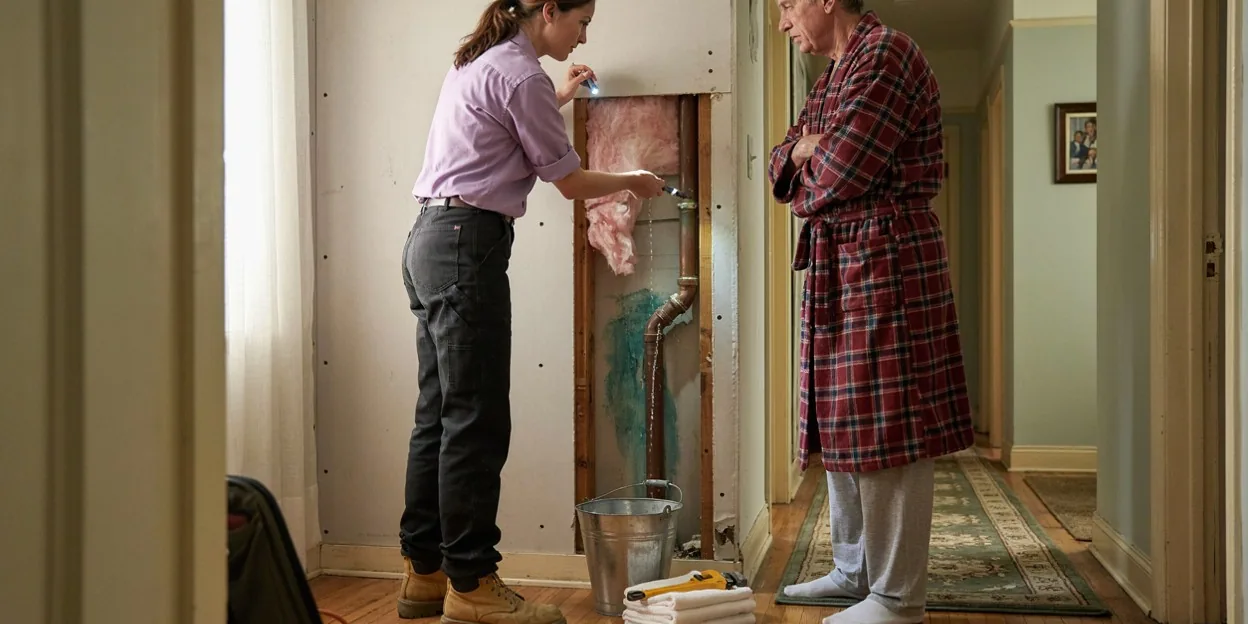
Hanover is a small city of about 3,500 on the Crow River northwest of Maple Grove, split down the middle by the river and the Hennepin–Wright county line. German farmers settled it in the 1850s, and the old village on the Hennepin side keeps its 1880s and 1900s frame houses and brick storefronts near the river bridge. Around them are 1970s and 1980s ranches, and since the 2000s the city has added two-stories and villas on former fields on both sides of the river.
The Crow River sets the terms. It runs high every spring with snowmelt from the farm country to the west, and it rose to flood stage across this stretch in June 2014 and again in the spring of 2019. The old houses near the bridge sit in sand that fills with water whenever the river is up, and their stone and block basements weep. The newer subdivisions on the ridge above have deep poured basements with pumps that run all spring.
This site puts Hanover homeowners through by phone to an independent local water damage provider. The provider meters the old wall or the new one the same way.
Hanover water damage above and below the river bluff
A stone or block basement that weeps in a high-river spring is a basement flooding cleanup focused on the wall and the slab. A pump in a 2000s two-story that quit during a storm is a sump pump failure cleanup. An old supply line that froze in an uninsulated wall near the river is a frozen pipe cleanup.
A city hall for two counties
The City of Hanover issues building permits for both the Hennepin and the Wright County sides, so a rebuild anywhere in town goes through the same desk. Crow-Hassan Park Reserve runs along the river just downstream, and its prairie bottomland floods first when the Crow comes up, which gives Hanover's riverside basements a day or two of warning.
Call (763) 314-1771 and say whether the water came from the river side or the ridge. We put you through to an independent local water damage provider serving Hanover.
Services Available in Hanover
Basement Flooding Cleanup
Water pumped out of a finished lower level under a Maple Grove two-story, then pad, drywall, and the bottom plate metered to see what stayed wet.
Sump Pump Failure Cleanup
Cleanup after the pump lost power in a thunderstorm or drowned in the March thaw, plus drying of the floor and walls the pit overflow reached.
Frozen Pipe Cleanup
Cleanup after a supply line froze above the garage, in a rim joist, or behind a kitchen sink and let go when the cold broke.
Ice Dam Water Damage
Attic insulation, upstairs ceilings, and exterior walls dried after an ice dam at the eave pushed meltwater under the shingles.
Structural Drying
Air movers and dehumidifiers set by daily readings until joists, studs, subfloor, and drywall come back to dry in a closed-up Minnesota house.
Leak Detection
The source traced for a damp spot, a high water bill, or a stain with no obvious leak, before any wall or floor in the house gets opened.
Ceiling Water Damage Repair
A sagging or stained ceiling below an upstairs bath or laundry dried, opened where the readings say so, and made ready for the rebuild.
Sewer Backup Cleanup
Contaminated water from a floor drain or a backed-up main line removed from a basement, with the materials it touched taken out and the slab cleaned.